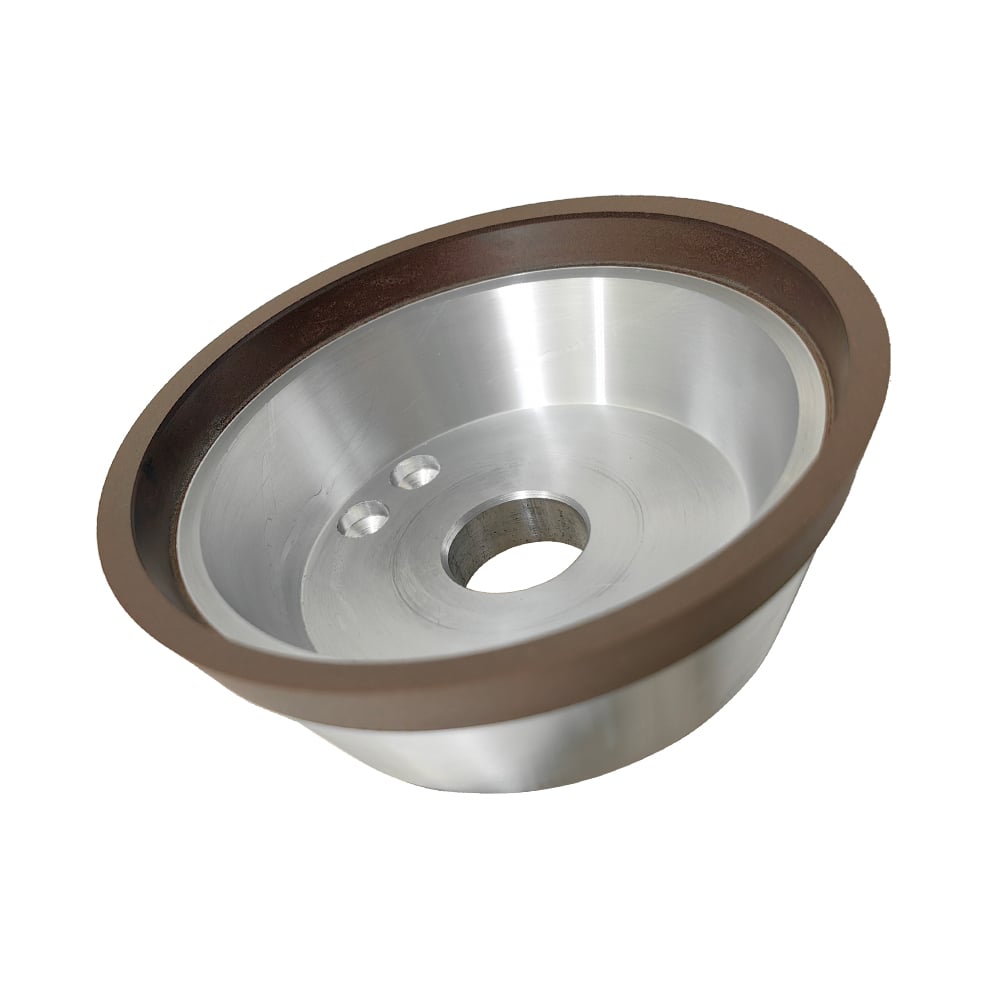
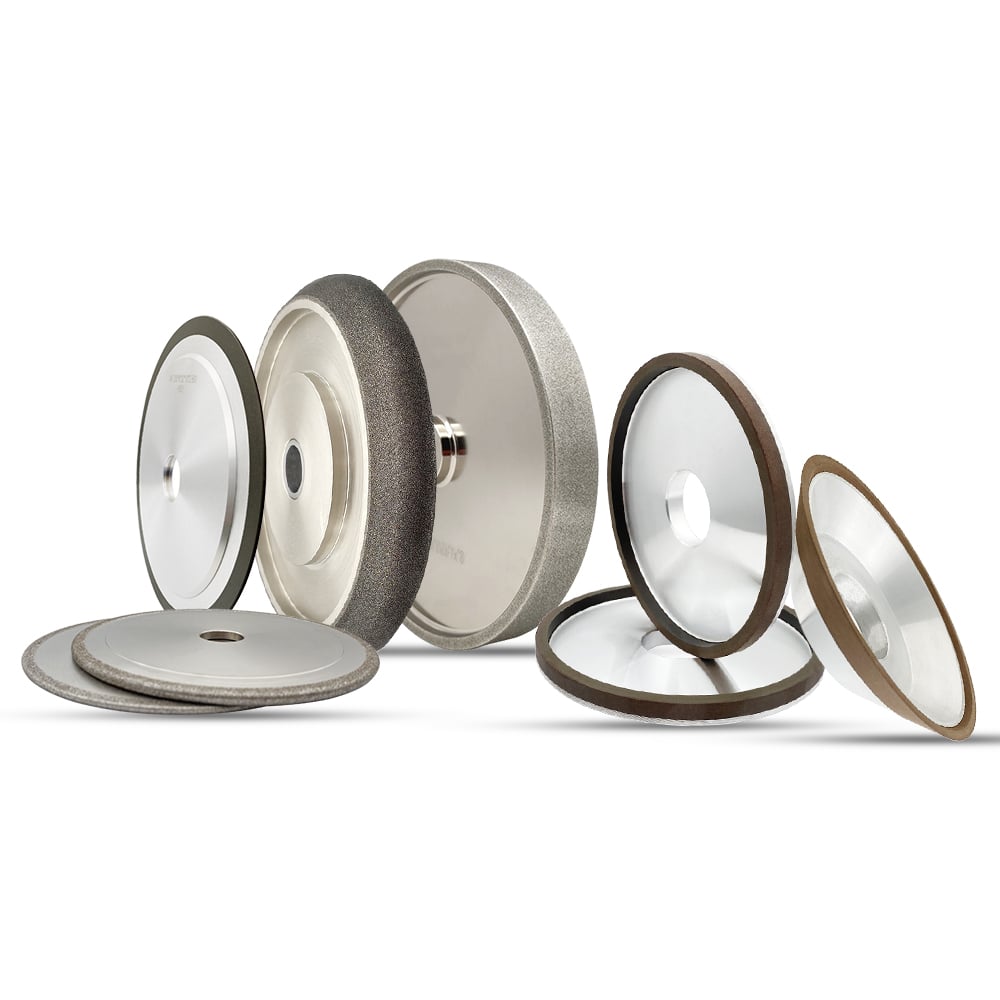
External cylindrical grinding stands as the linchpin of precision manufacturing for rotationally symmetric components—spanning automotive transmission shafts to aerospace turbine airfoils—delivering sub-micron tolerances (±1μm) and ultra-fine surface finishes (Ra <0.05μm). The efficacy of this critical process is inherently contingent upon the grinding wheel’s performance characteristics. Zhengzhou Ruizuan, a leader in abrasive technology, presents a fully integrated product portfolio engineered to address diverse material machinability and precision requirements: polycrystalline diamond (PCD) external grinding wheels, cubic boron nitride (CBN) external grinding wheels, and conventional abrasive external grinding wheels. This technical discourse delineates the material science, performance parameters, target applications, and process compatibility of each offering, empowering manufacturing engineers to optimize throughput, precision, and cost-efficiency.
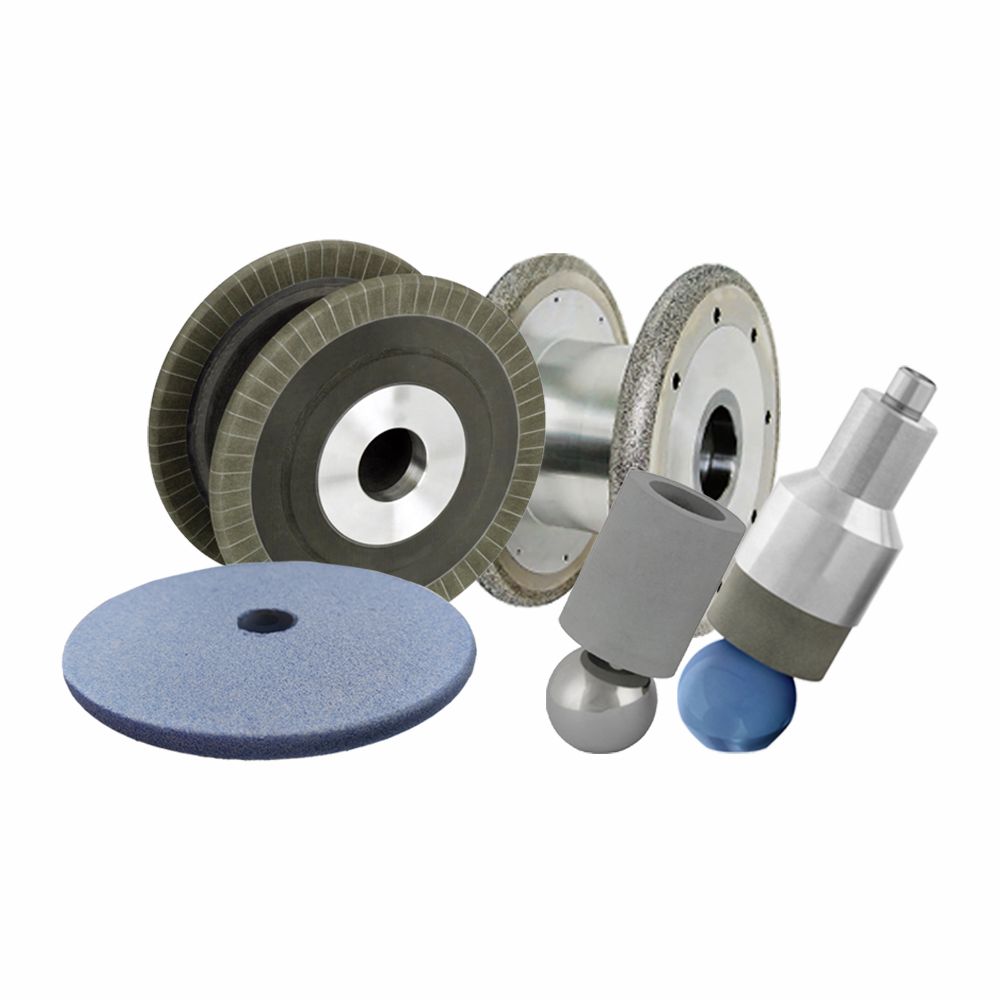
Ruizuan’s External Grinding Wheel Portfolio: Meticulously Engineered for Targeted Machining Scenarios
Each wheel configuration is precision-tailored to harness the intrinsic properties of its abrasive medium, ensuring synergistic compatibility with workpiece materials, thermal constraints, and dimensional accuracy objectives.
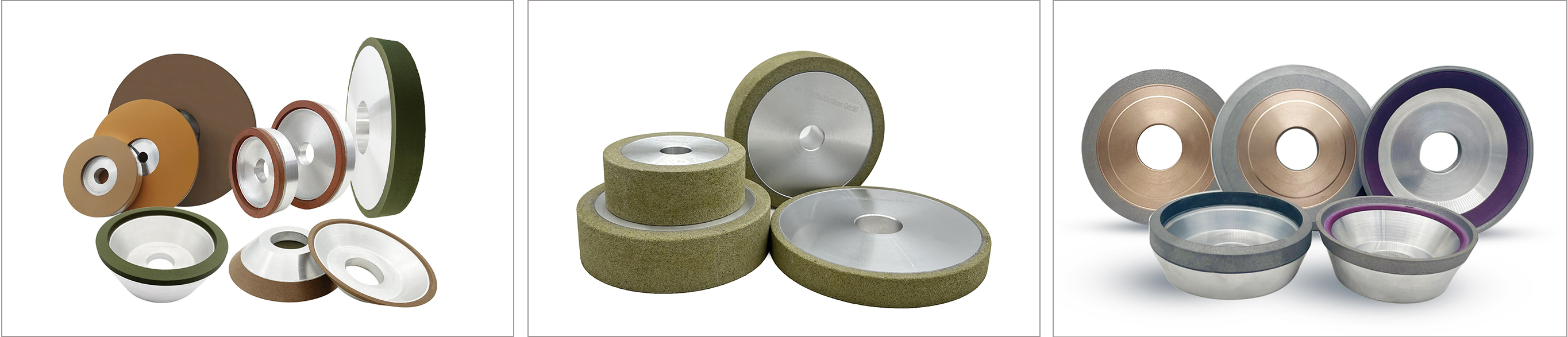
1. Diamond External Grinding Wheels: The Pinnacle for Non-Ferrous and Superhard Material Machining
Diamond—boasting an exceptional Vickers hardness of 5,000 HV, the highest among natural abrasives—establishes itself as an indispensable tool for machining materials resistant to conventional abrasives. Unlike CBN, diamond exhibits no chemical reactivity with iron-based alloys, rendering it superior for non-ferrous applications while outperforming traditional abrasives in terms of dimensional stability and service life.
Advanced Bond Matrix Options
• Resin Bond: Facilitates low specific grinding energy (SGE) and minimal thermal damage, ideal for heat-sensitive materials such as titanium alloys and composites.
• Vitrified Bond: Delivers exceptional form retention (≤0.002mm profile deviation) and high wear resistance, optimized for precision profiling and tight-tolerance applications.
• Metal Bond (Electroplated/Brazed): Engineered for heavy-stock removal (material removal rates up to 30 cm³/min) and aggressive machining of superhard substrates.
Target Materials & Critical Applications
• Non-Ferrous Alloys: Aluminum (6061-T6), titanium (Ti-6Al-4V), copper (C11000), and their composites. Deployed in automotive piston ring grooves, aerospace titanium rotor shafts, and high-precision electronic enclosures.
• Superhard Materials: Tungsten carbide (WC-Co 8%), alumina-zirconia ceramics (Al₂O₃-ZrO₂), and PCD/PCBN tool blanks. Utilized for machining carbide indexable inserts, bioceramic implants, and semiconductor wafer chucks (flatness ≤2μm).
• Fiber-Reinforced Composites: Carbon fiber-reinforced polymer (CFRP) and glass fiber-reinforced polymer (GFRP). Critical for aerospace structural panels, minimizing delamination (≤50μm) and fiber pullout during high-speed grinding.
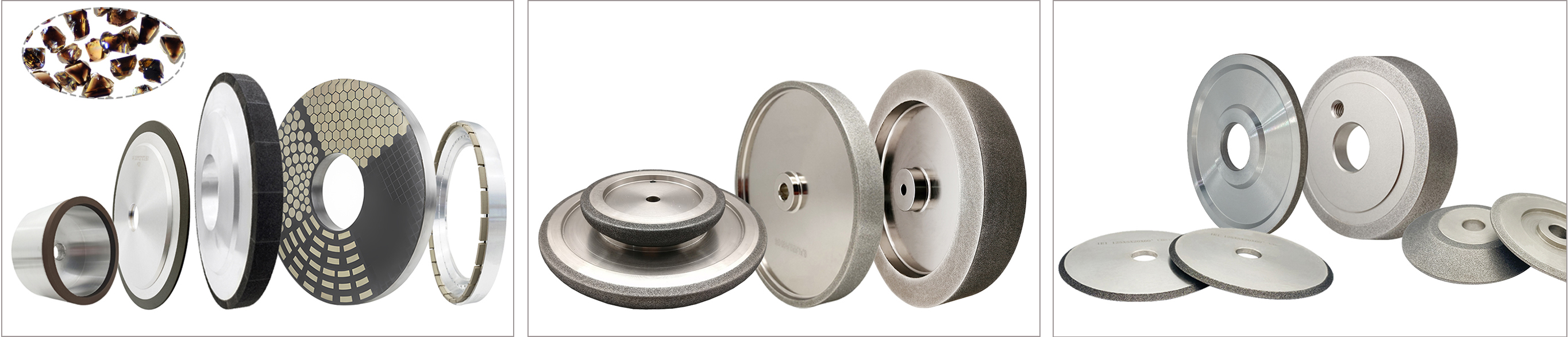
2. CBN External Grinding Wheels: The Definitive Choice for Hardened Ferrous Metals
Cubic boron nitride (CBN)—synthesized via high-pressure high-temperature (HPHT) processing—emerges as the optimal abrasive for hardened ferrous metals (≥50 HRC). Its key advantages include chemical inertness to iron (eliminating abrasive wear via diffusion), exceptional thermal stability (operating temperatures up to 1,300°C), and superior fracture toughness compared to diamond.
Performance Differentiators
• Exceptional Wear Resistance: Outperforms alumina-based wheels by 50–100x in continuous machining of 60 HRC alloy steel, reducing per-part grinding costs by 40% and tool changeovers by 80%.
• Dimensional Precision Retention: Vitrified and metal bond systems maintain dimensional accuracy (±0.5μm) across extended production runs (≥10,000 parts), ideal for complex profiles such as involute gear teeth and splines.
Target Materials & Critical Applications
• Hardened Steels: Alloy steel (20CrMnTi, 58–65 HRC), tool steel (D2, H13), and bearing steel (GCr15). Employed in grinding automotive transmission gears (profile tolerance ±5μm), bearing races (roundness ≤2μm), and HSS cutting tools.
• Superalloys: Inconel 718, Hastelloy X, and ferrous-based titanium alloys. Essential for machining aerospace turbine blades (airfoil profile tolerance ±8μm) and engine combustor components.
• Cast Irons: Austempered ductile iron (ADI) and gray cast iron (HT300). Suitable for high-volume production of engine blocks, crankshafts, and heavy machinery housings (surface roughness Ra ≤0.1μm).
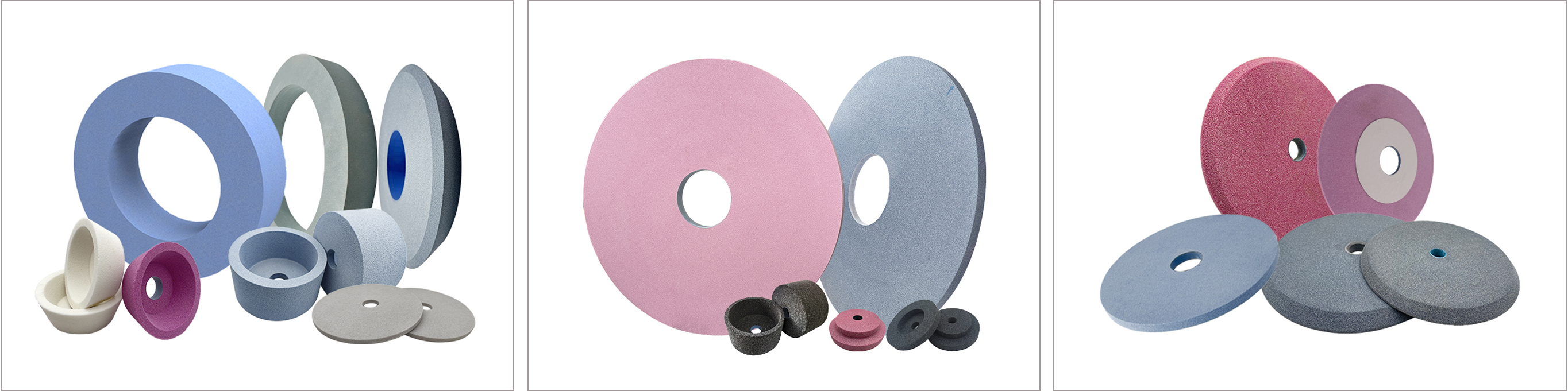
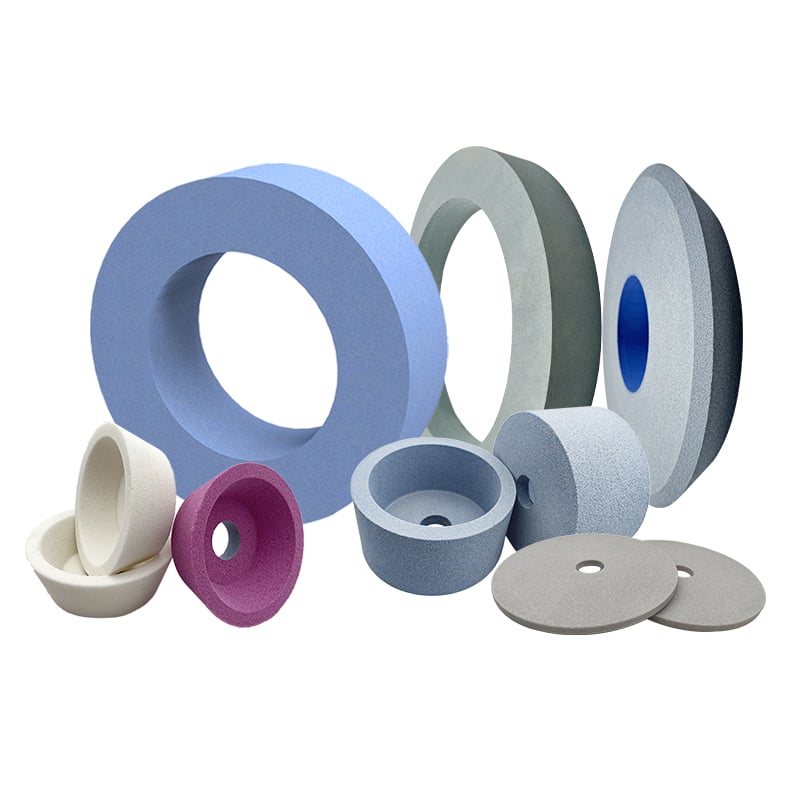
3. Conventional Abrasive External Grinding Wheels: Cost-Optimized for General Ferrous Machining
For non-hardened ferrous metals and applications with relaxed precision requirements, Ruizuan’s conventional abrasive wheels—formulated with aluminum oxide (Al₂O₃) or silicon carbide (SiC)—deliver reliable performance at a competitive total cost of ownership (TCO).
Core Technical Specifications
• Abrasive Versatility:
Aluminum oxide (Al₂O₃): Optimized for mild steel and cast iron (ductile machining, low friability).
Silicon carbide (SiC): Ideal for non-ferrous metals and brittle materials (high hardness, sharp cutting edges).
• Cost-Efficiency: Designed for low-volume production, prototyping, or general-purpose grinding, featuring straightforward maintenance and rapid replacement (changeover time ≤5 minutes).
Target Materials & Applications
• Mild Steel (≤30 HRC): 45# carbon steel shafts, structural components, and low-carbon steel stampings.
• Cast Iron (≤45 HRC): Gray cast iron engine brackets, pump housings, and decorative metal components (surface finish Ra ≤0.8μm).
• Low-Precision Non-Ferrous Metals: Aluminum extrusion profiles, copper tubing, and zinc die-cast parts (diameter tolerance ±0.05mm).
Key Value Proposition
Strikes an optimal balance between performance and cost for non-critical components, serving as a staple in general manufacturing workshops and job shops.
Process Compatibility: Aligning Grinding Wheels with Machining Methods
Ruizuan’s external grinding wheels are precision-engineered to integrate seamlessly with three core machining processes, each tailored to component geometry, production volume, and precision requirements.
1. External Cylindrical Grinding
• Process Mechanics: The grinding wheel and workpiece rotate at synchronized speeds (surface speeds up to 80 m/s), with the wheel feeding radially to remove material in controlled increments.
• Wheel Compatibility: Diamond/CBN wheels for high-precision components; conventional abrasive wheels for general-purpose parts.
• Performance Metrics: Achieves roundness ≤3μm, cylindricity ≤5μm, and surface finish Ra 0.08μm on GCr15 bearing races; ideal for shafts, bearings, and cylindrical gears.
2. Centerless External Grinding
• Process Mechanics: The workpiece is supported by a precision rest blade (angle 30–45°) between the grinding wheel and regulating wheel, enabling high-volume, automated production (up to 500 parts per hour).
• Wheel Compatibility: CBN vitrified wheels for hardened steel rollers; diamond resin wheels for ceramic pins and dowels.
• Performance Metrics: Processes bearing rollers, dowel pins, and automotive valve stems with diameter tolerance ±0.002mm and surface finish Ra ≤0.05μm.
3. Form External Grinding
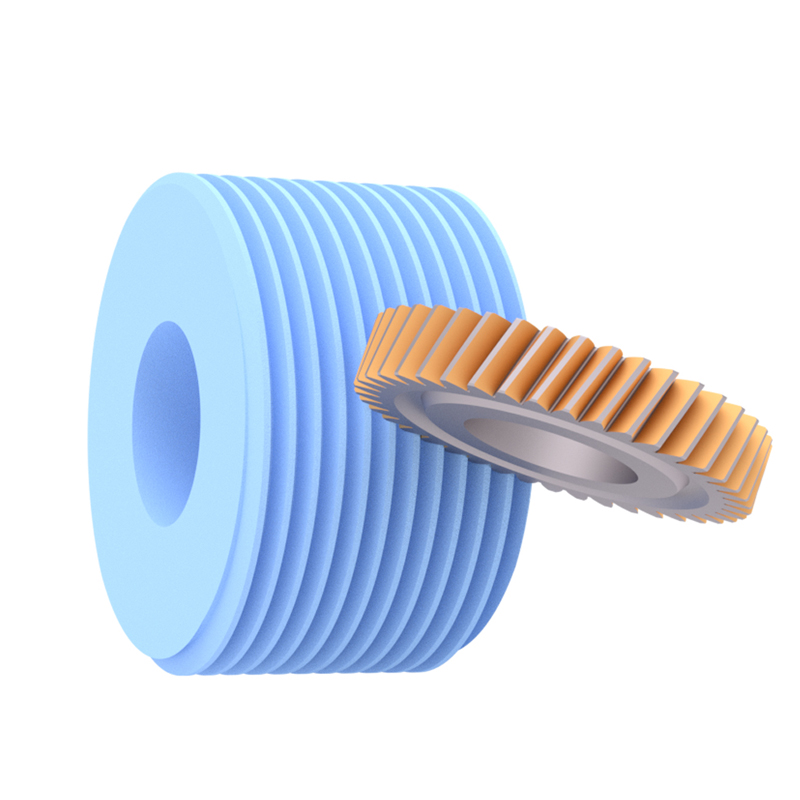
• Process Mechanics: The grinding wheel is dressed to replicate the component’s complex profile (e.g., gear teeth, splines, turbine blade roots), enabling single-pass machining of intricate geometries.
• Wheel Compatibility: CBN vitrified wheels for gear profiles (involute or cycloidal); diamond metal wheels for carbide mold cavities (surface finish Ra ≤0.02μm).
• Performance Metrics: Maintains profile tolerance ±5μm on 20CrMnTi gear teeth and ±8μm on turbine blade roots, eliminating secondary finishing operations.
Precision Redefined: Ruizuan’s External Grinding Solutions
From hardened steel gears to bioceramic implants and mild steel shafts, Ruizuan’s external grinding wheel portfolio delivers uncompromising performance, micron-level precision, and cost-efficiency tailored to modern manufacturing demands. Our commitment to material science innovation and process optimization ensures that every wheel is engineered to address the unique challenges of your application—empowering you to stay ahead in a competitive global marketplace.


 EN
EN
 Hot News