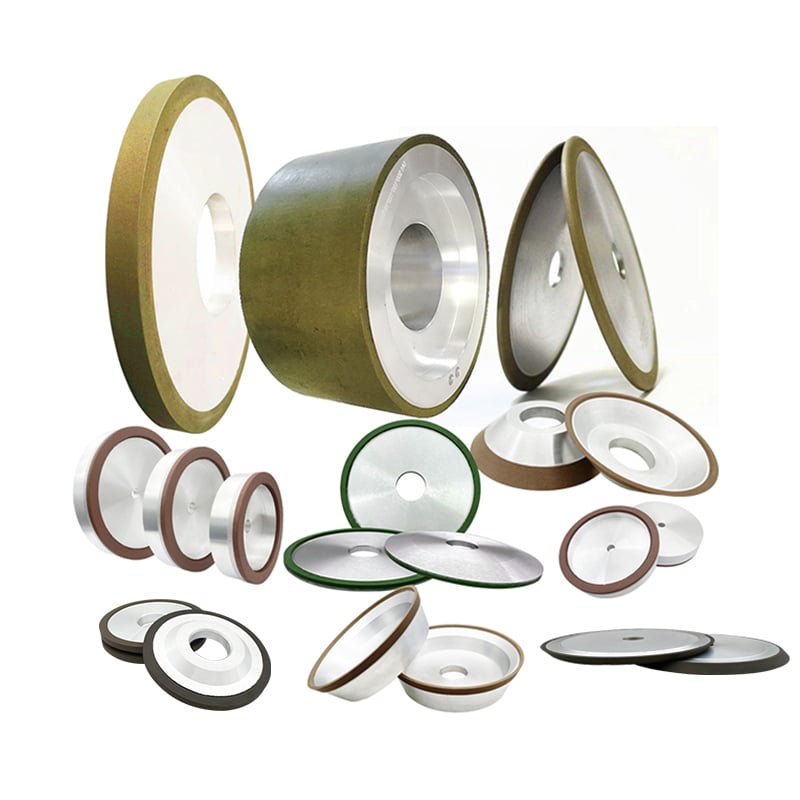
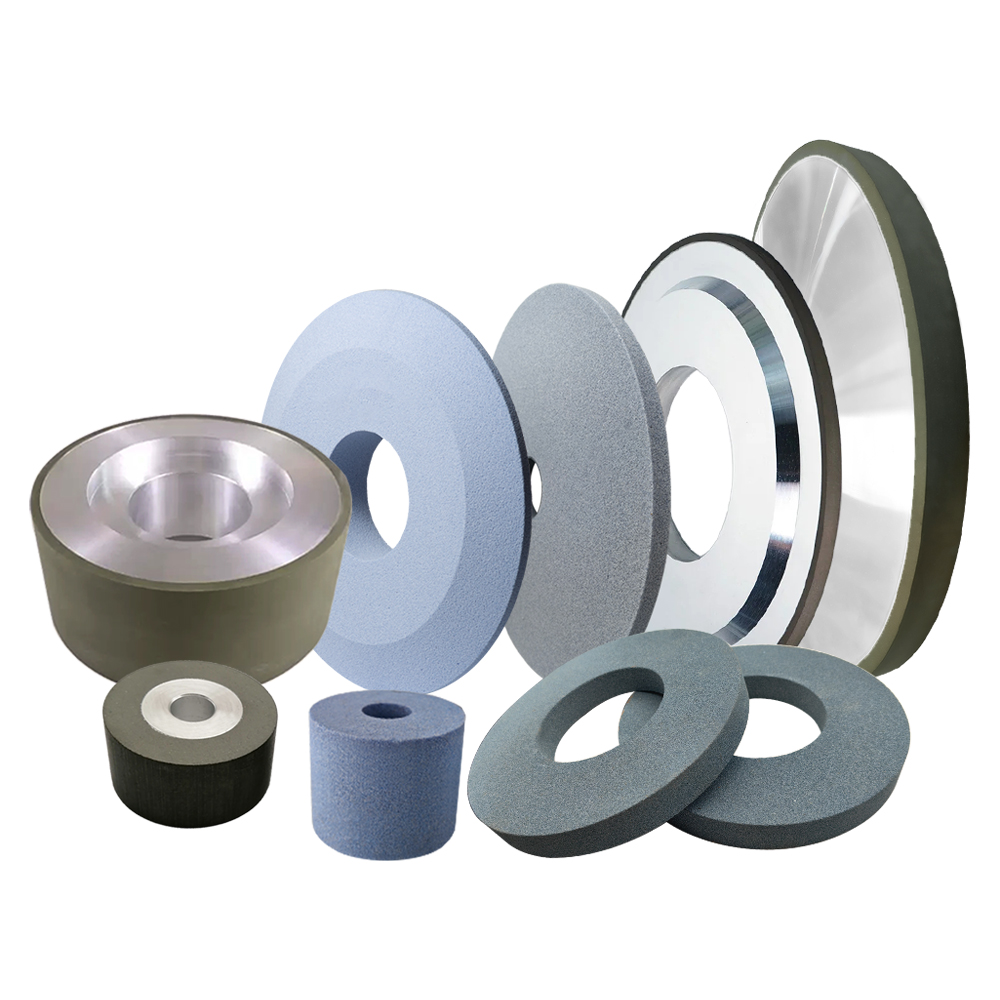
Resin bond grinding wheels, hailed as the "teeth of heavy industry" and "cosmetologists of product appearance," are indispensable tools for grinding, cutting, and polishing in heavy industrial production and product manufacturing. Without them, heavy industry would struggle to gain a foothold, and their quality directly determines the quality of finished products.
Across major heavy industrial nations worldwide, renowned grinding wheel manufacturers stand out—such as 3M (USA), VSM (Germany), Nikkon (Japan), and Deer Brand (South Korea). Amid China’s robust industrialization drive, domestic grinding wheel manufacturers are growing steadily, with product quality continuously improving. Notably, their capability to process materials with higher hardness has been significantly enhanced. While China’s grinding wheel industry was once relatively extensive in its development model, it is now advancing rapidly toward upgrading. Market preferences for high-quality products have become increasingly distinct, and low-quality products are being eliminated at an accelerated pace. This trend imposes higher requirements on high-speed grinding wheel manufacturers and trading companies: to produce, select, and supply superior products. High-quality equipment further elevates the quality of finished goods; through mutual interaction and improvement between manufacturers, equipment, and users, products gain market recognition, driving substantial sales growth and considerable profits. In turn, this empowers the further development of heavy industry, strengthens industrial competitiveness, and contributes to national prosperity. The role of grinding wheels in the development of heavy industry should never be underestimated.
For ceramic bond grinding wheel manufacturers and all resin bond grinding wheel users, rigorous inspection before installation and use is non-negotiable—defective wheels must never be put into service. Equally crucial is the maintenance of resin bond grinding wheels during periods of non-use. Below are key guidelines to share:
During transportation and storage, resin bond grinding wheels must be protected from intense vibration and impact. Never roll the wheels during handling to avoid damage. Preserve the markings on the wheels to prevent confusion in application. Adhere to the shelf life: resin and rubber bond grinding wheels, if stored for more than 12 months from the date of manufacture, must pass a rotational test before use. Store the wheels in a dry environment with appropriate temperatures to prevent moisture absorption, exposure to extreme cold, or overheating.
After prolonged use, grinding wheels require cleaning. The traditional method—soaking in acetone for 2 hours followed by cleaning with imported agents—delivers good results but is neither environmentally friendly nor energy-efficient. Therefore, cleaning must meet two core criteria: 1. Eco-friendly: Free of ketones and halogenated hydrocarbons. 2. Non-damaging: Must not harm diamond grinding wheel segments.
Grinding wheels must undergo careful inspection and verification before installation. Follow these steps:
1. Check the wheel’s grade to ensure it matches the required performance, shape, and dimensions for the intended application.
2. Inspect the external structure: Visually examine for surface damage or cracks—any wheel with such defects is unfit for use. Additionally, ensure both end faces are flat with no significant skew.
3. Detect internal cracks: Hold the wheel by its center hole and tap it lightly with a wooden hammer. A crack-free wheel emits a clear, resonant sound, while a wheel with internal cracks produces a dull, hoarse tone—discard such wheels immediately.
By adhering to these maintenance and inspection protocols, manufacturers and users can maximize the service life of resin bond grinding wheels, ensure operational safety, and maintain consistent processing quality—laying a solid foundation for the sustainable development of heavy industry.


 EN
EN
 Hot News