 EN
EN

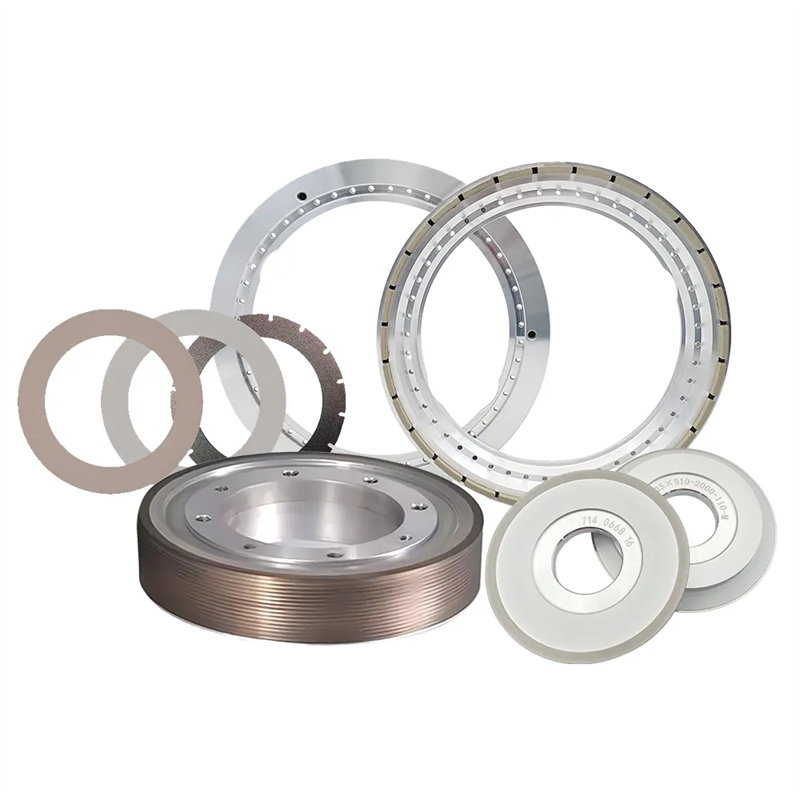
The overall yield and performance of semiconductor components have direct dependency on the quality of semiconductor surface. Chip size gets smaller, requiring even smoother wafer surface with no physical damage on its substrate surface. Ultra- fine diamond grind wheels are one of breakthrough innovation impacting the thin film wafer thinning and polishing, it brings you micron levels of wafer smoothing, while causing negligible subsurface damage on the wafer surface.

Why Ultra-Fine Diamond Wheels Are Essential for Wafer Polishing
A traditional grinding process can create deep scratches and subsurface damages that can be deep, and need heavy polishing. This damage can be a serious issue for brittle and hard semiconductor materials such as silicon carbide (SiC) and gallium nitride (GaN), which are poor choices for thinning by grinding and polishing because they tend to fracture, pulverize, and split easily with these standard machines.
To overcome this challenge, ultra-fine diamond wheels utilize extremely fine diamond grits, typically #3000 to #8000 mesh or higher, to create smooth surfaces which need relatively little polishing. These wheels use a high quality, advanced vitrified bond system which offers high dimensional stability and excellent heat conductivity, ensuring stable performance during long production runs. Wheels capable of attaining a surface-roughness of below 5 nm Ra (approx. polished surface) have been shown to be feasible for research.
Advances in Diamond Technology for Mirror-Finish Polishing
The newest models of diamond abrading technique have advanced the limits of wafer polishing technology. The diamond based foamed and agglomerated abrasives provide better cutting performance and less grinding force. The grains on the surface of the diamond grinding wheel can achieve continuous grinding during the process by having the specified grains replaced by the specially treated grains, so as to achieve the consistency of the life and sharpness of the grinding wheel, and effectively solve the problem of the need to replace the grinding wheel frequently during long production runs.
The UltraPoligrind grinding wheels by DISCO are a good example of these developments: These grinding wheels are made of ultra-fine diamond abrasives which provide higher die strength and provides the gettering properties required during the thinning process for semiconductor devices. For wafer thinning, the damaged area created by these grinding wheels is very thin, and at the same time easy to operate, easy to handle, and has less environmental impact.
Bond Selection: Ceramic Bonds for Superior Performance
In order to obtain micron-level smoothness of the wafer, it is necessary to take the bonding system into consideration. In grinding wafers, metal bonds and resin bonds have been used, but there are various shortcomings. In addition to the high strength, metal bonds also do not readily self-sharpen and are thus less suitable for fine finishing. Resin bonds aren't very heat resistant, and will oxidize or decompose at high temperatures.
Vitrified (ceramic) bonds have become the most preferred material's for ultra precision wafer thinning wheels due to their strength, adjustable porosity, and good interfacial wettability with diamond. The properties permit the manufacture of wheels capable of being set to the required porosity for optimal delivery of the polishing compound as well as for optimal removal of the chips, which is essential to prevent thermal damage on the workpiece during polishing.
Integration with Advanced Grinding Equipment
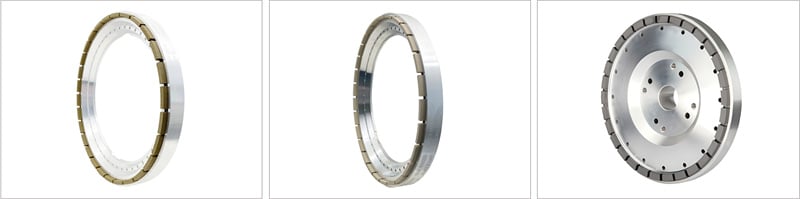
For best performance, ultra-fine diamond wheels should be able to be combined with advanced grinding equipment that permits control of grinding parameters. Today's wafer thinning machines feature software which receive feedback from the grinding forces, or motor current, and regulate the motion of the wheel to ensure surface quality is maintained.
High performance systems use a combination of forward and backward wheel motion for two purposes: material removal and surface finishing, thus eliminating an additional operation. It has been shown to create surfaces with lower roughness Ra, less than 60 nm, and without the need for further polishing stages. Manufacturers can reduce the production area and the cost of consumables, maintain high standards with the use of a single spindle grinding machine with the specialized control software.
Conclusion
Super fine diamond grinding wheels are certainly a leap forward in semiconductor wafer processing, providing that wafer makers can get smoothness to micron level without hurting their wafers too. An in-depth understanding of abrasive technology, bond system optimization and integration with precision grinding equipment has helped semiconductor producers keep pace with the ever-challenging demands of today's semiconductor manufacturing. REZZ's range of industrial diamond grinding wheels provides tailor-made grinding solutions for semiconductor wafer polishing applications. Call us and let us know what you need to process on wafer.