 EN
EN

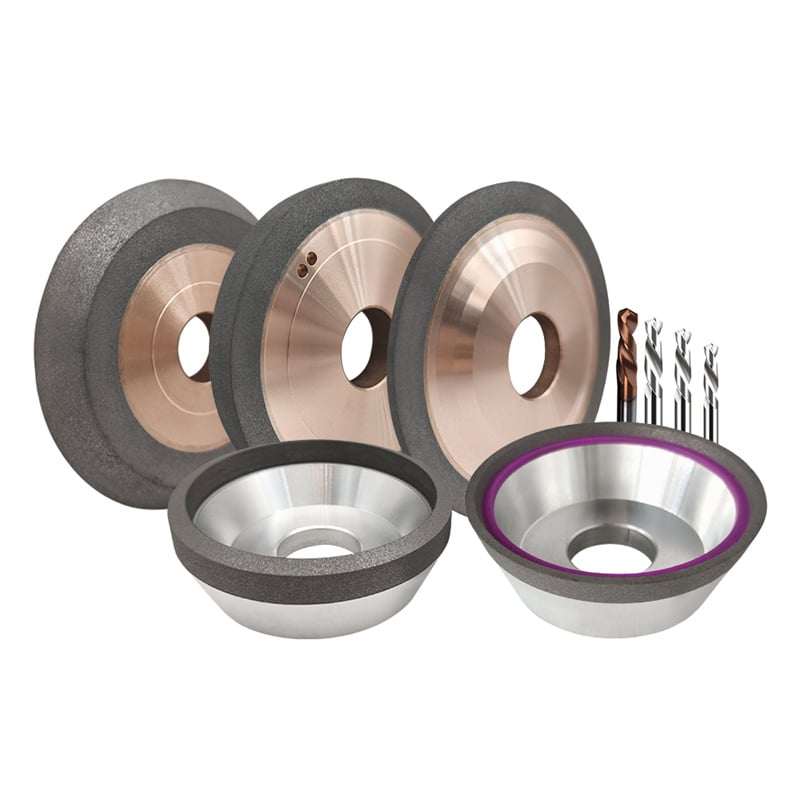
The use of these difficult to grind hard and brittle workpiece materials (cemented carbide, ceramics, glass, silicon wafers, etc.) has plagued manufacturing for hundreds of years. Surface damage, micro crack and thermal degradation will surely occurs under standard grinding process or operation for such materials. Hybrid diamond-grit wheels is an innovative technology for this challenge. Integrating of a variety of bond system into one grinding wheel to provide higher efficiency and better surface quality for this special job. With the accumulation of know how since 2014 grinding wheel production, REZZ had produced abundant experience in producing custom designed hybrid diamond and CBN grinding wheel.
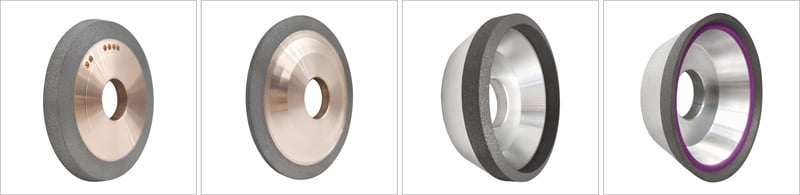
What Makes a Hybrid Bond Different
Hybrid bond grinding wheel combines the good points of both resin bond and metal bond grinding wheel to provide a balance of cutting efficiency, grinding wheel life and surface quality. Hybrid bonding wheels perform better than resin-bond wheels (good self sharpening, but short working life) or metal-bond wheels (longer life, but inferior grain retention, self sharpening).
It is confirmed that hybrid approach (resin-bond diamond wheels) featuring braze-coated diamond grits: shows considerably higher grinding ratio and low grinding force compared to (conventional) wheels. The braze coating suits to hold the grinding material and retains the self-sharpening property that is rich in efficient grinding. In the same way, by using silicon carbide as a material for cross-sectional fillings to improve the thermal conductivity of cross sections, hybrid bonds have the ability to conduct out grinding heat to minimize the risk of heat damage to the workpiece.
This hybrid bond has superior chip evacuation and cooling characteristics to make grinding of hard, brittle materials easier and more economical to achieve. These lower the friction that occurs when grinding and will help reduce grinding heat generation, prevent workpieces burns, reduce microcracks and minimise metallographic changes that typically occur when grinding cemented carbide, ceramics and glass.
Performance on Hard and Brittle Workpieces
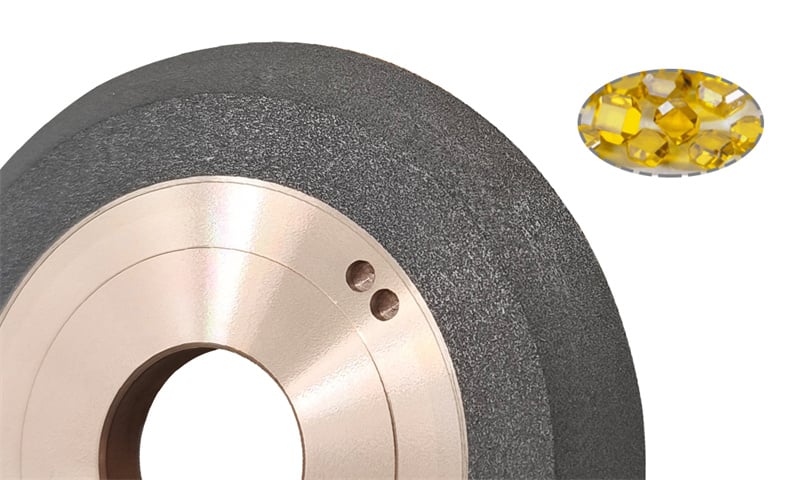
Hard and brittle materials cause problems during grinding because of their hardness, low fracture toughness and thermal and mechanical sensitivity. Subsurface damage is a common consequence of conventional grinding process and subsequent material removal by polishing is usually necessary to remove it. The surface defect caused by the grinding has a bad effect on the surface properties, which makes longer working time and more money.
A hybrid diamond wheel that performs very well on these materials has been developed. The specific energy intensity of grinding has also been seen to drop considerably with increase in the hardness of the workpiece, suggesting a higher rate of material removal in grinding. For grinding of silicon wafer, an ultrafine-grit vitrified hybrid bond diamond wheel, providing surface roughness as small as 0.6 nm Ra, achieved only 40 - 60 nm subsurface damage, significantly reducing subsequent polishing consumption.
Hybrid diamond wheels with polyimide bond applied are used to grind cemented carbide tools; these wheels do not heat or deteriorate thermally or chemically under high speed grinding, allowing them to provide not only longer grinding time and the longer service life of the wheel but also retain form. The combination of durability and accuracy renders hybrid wheels ideal for carbide cutting tools manufacturing and sharpening applications.
Key Applications and Benefits
Hybrid Diamond-grit wheels are utilized extensively throughout different challenging manufacturing industries. They are also used in carbide tool preparation processes where the tools have to be durable and retain their profile in flute, relief, and end work of drills, end mills, and reamers, as on carbide tools With the hybrid bond, control over the tracks is achieved even in long production runs which minimize downtime due to wheel change and/or wheel dressing.
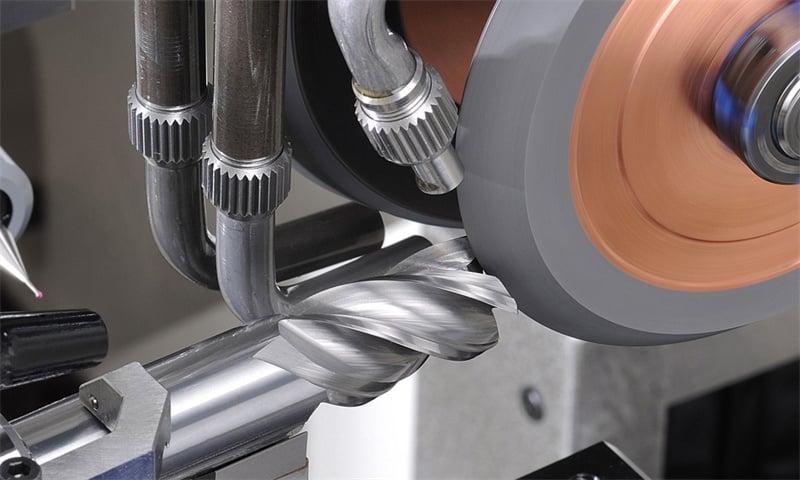
Hybrid wheels for the aerospace and automotive industries grind precision parts of high-temperature alloys and composite materials that include engine components and turbine blades, where surface integrity is of critical importance. Wheels have a built-in ability to evacuate chips and cool the wheel, which limits heat generation and the potential for damage at the grinding surface caused by such heat.
Hybrid wheels are used for machining the sapphire substrates, silicon crystals, optical glass found in semiconductor and optical industries. These are high precision applications where hybrid wheels can be useful because they can produce an ultra-smooth surface without causing much subsurface damage.
When to Choose Hybrid Over Conventional
The choice of hybrid diamond wheels should fully depend upon the grinding problems you are working with. The best benefit of using hybrid wheels is for working with difficult, hard, brittle substances which can cause thermal damage, micro-cracking or defects within the subsurface. These are especially useful for use in applications that demand high surface finish, close tolerances or long wheel life.
Hybrid wheels provide performance benefits which resin or metal bond cannot achieve for those who manufacture cemented carbide tools, ground ceramics or cut semiconductor materials. Our team at REZZ collaborates closely with our customers to understand their unique needs and community gaps, before designing a grinding solution that is the best fit for their operation. Contact us today to discuss about our diamond grit wheels that can help you to grind hard and brittle materials!