 EN
EN

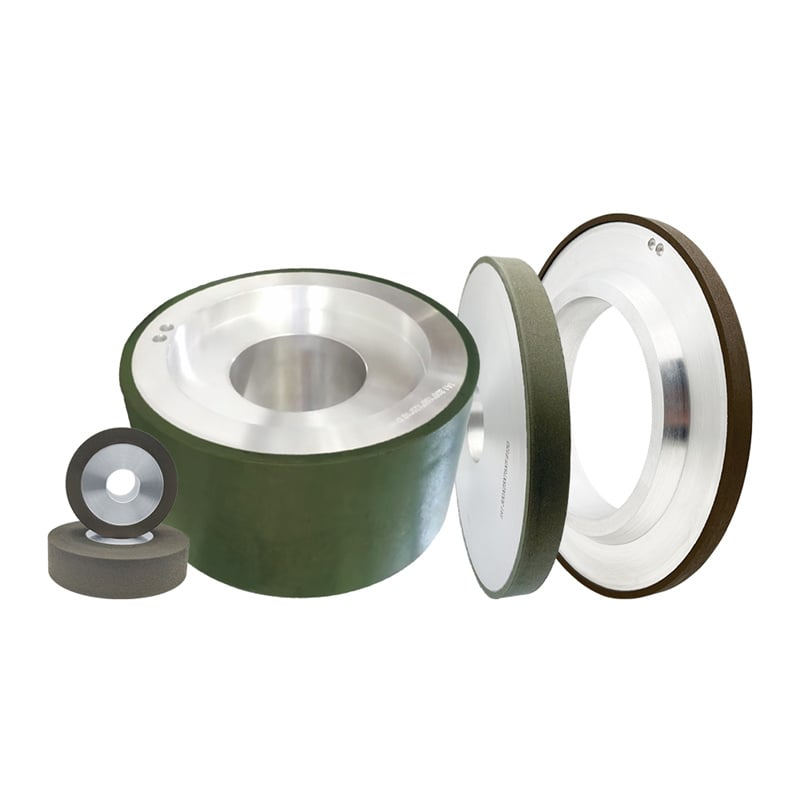
Diamond grinding wheel costs are high if buying from a bad supplier this will lead to a costly investment. The low quality diamond wheels can cause downtime of machinery, non-uniform parts, higher cost on grinding. To prevent buyers’ disappointment and avoid high costs. REZZ has been manufacturing excellent diamond and CBN grinding wheels since 2014 to supply a high and predictable lifetime and good performance.
Unclear or Missing Wheel Specifications
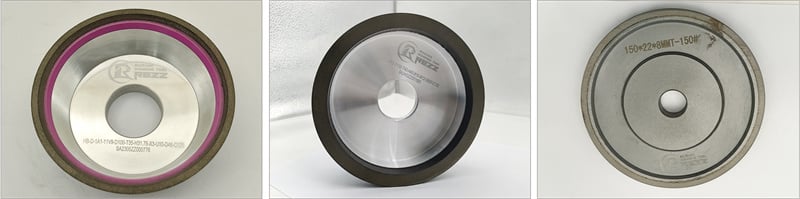
Your supplier should provide full specifications for each wheel. Failure to provide size, concentration, bond type and grade should raise concern. This specification should enable you to choose the correct wheel for your application, since the size, concentration, grade, and hardness are all matched for specific tasks. Wheels manufactured by reliable suppliers will generally disclose these specifications, or you can demand them.
Wheels generally are marked with the abrasive size as a mesh # (e.g., 64 mesh means a 64micron diameter diamond particle) and will carry a designation to illustrate concentration (i.e., #100 or 100%). Concentrates of #75 and up should meet your needs (for non-fine finish purposes), although this can vary with the intended use. In addition, a good supplier will be willing to provide hardness grade, structure, and the wheel's maximum safe RPM. If any supplier will not or cannot provide this data, it's best to move on.
With these specifications at your fingertips you can judge the viability of your grinding needs. The wheels sold at REZZ come with fully documented specifications to assure a match for your requirements.
Poor Surface Finish and Inconsistent Appearance
By visual examination you will be able to ascertain the wheel quality. Look over the abrasive rim for variations from the uniform pattern which include any uneven coating, obvious holes in the abrasive and variations in the colour of the abrasive. Abrasive should not be a thin film but fairly chunky, securely cemented to the centre. Poor quality control also extends to defects in the wheel edge, e.g. chipped edges, cracks or flaws.
Edge Defects of a similar kind are also the signs of poor manufacturing tolerances. Examine the to be ground surface and ensure even grit spacing. The grit must be spaced but not in a way which forms "clumps" or areas where the surface is exposed. Poor spacing of the grit leads to an uneven wear pattern and surface finishes and higher grinding force. In case of complicated shapes inspect the accuracy of the abrasive profile or form errors may have a great affect on the resulting workpiece.
Lack of Certifications and Traceability
To buy an excellent diamond wheel, there must be written evidence for quality control. Any seller that cannot produce ISO 9001 or another type of certified proof of quality, does not implement the right quality control standards to assure the quality of their production. A certification tells the buyer, that a quality system approved for sourcing the material, production and inspection was performed.
The traceability for a diamond wheel is equally important. Every wheel should possess a serial number which helps trace its date of manufacture, origin of material, as well as relevant inspection documents. It can be very important when quality problems occur, especially when used in sensitive areas like medicine or food production. It proves that the quality system is solid.
REZZ follows strict ISO certified quality control rules and maintains quality records for each individual diamond wheel including material certifications and inspections.
Price That Seems Too Good to Be True
The cost of the diamond abrasive materials and skilled craftsmanship required to produce high quality wheels is expensive. Any wheel that is significantly cheaper than alternatives from reliable suppliers likely have some of the above: lower quality diamonds; a very thin layer of abrasive or; inferior binding material. Cheap diamond wheels have a lower concentration of diamonds, or use a poorer quality diamond that has a shorter life as it chips away readily, to compensate for the lower cost of diamond.
Understand The Total Cost Of The Wheel Not just The Initial Price – A wheel that wears 50% faster and a little cheaper is actually far more expensive in total costs of ownership in the long run.
Good quality, long-life wheels deliver better value in terms of longevity and performance, surface quality and in improved uptime. As, if you were grinding with a poor-quality wheel, you need to do more dressing; there is more non-grinding time, leading to higher labour costs and less production. The REZZ wheels have been engineered to deliver a low maintenance, quality grind for their entire working life for best value.
Conclusion
Specification, visuals, certification and cost are key to ensuring that you avoid poor quality diamond wheels. All aspects can be checked to confirm that our customers are purchasing wheels that will function similarly and at least, last for longer. REZZ Grinding Wheels are manufactured with highest quality with diamonds and CBN engineered to provide to the most demanding of requirements. Please give REZZ a call with regard to your requirements for diamond wheels and we will be amazed at what we can achieve.