 EN
EN

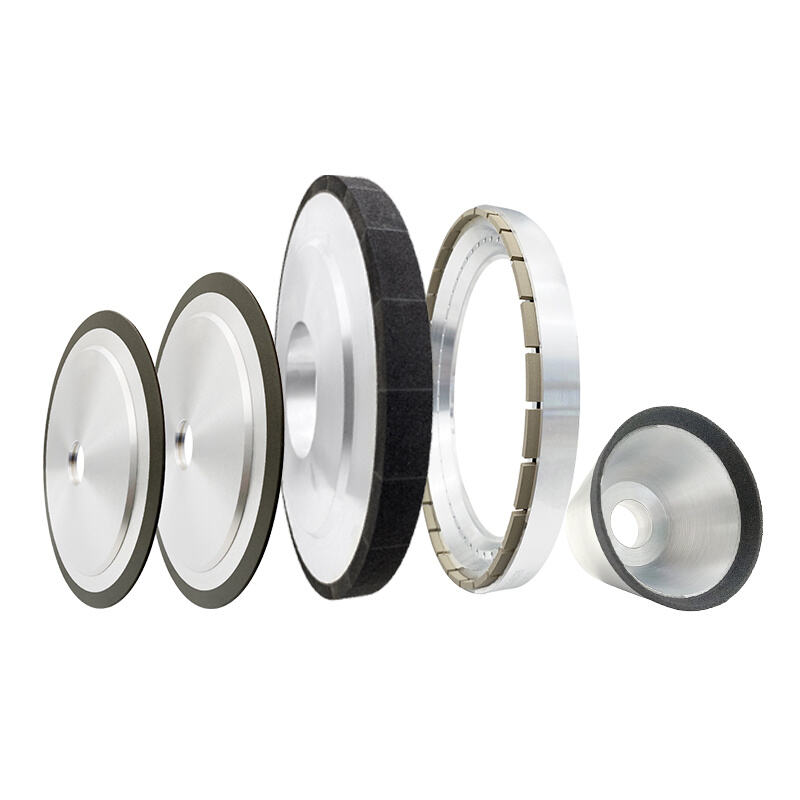
It is an irrefutable fact that cost per part is the only true measure of a grinding wheel's value, and for high-performance CBN (cubic boron nitride) grinding wheels this is most definitively the case. Because high-performance CBN wheels come with a considerably higher initial investment than their more common aluminum oxide or silicon carbide counterparts, many purchasing managers opt for the cheapest solution, unaware that a properly utilized CBN wheel almost always generates a superior return on investment (ROI). Calculating ROI effectively can remove simple purchasing price comparisons from the equation and instead focus on which option ultimately makes grinding operations more profitable. Since 2014, Zhengzhou Ruizuan Diamond Tool Co., Ltd has assisted countless customers in determining the true value of a high-performance CBN wheel.
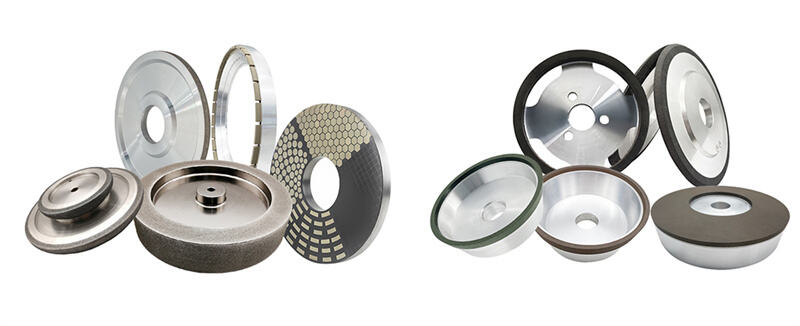
Calculate Wheel Life Extension and Replacement Frequency
The easiest ROI value to calculate is the quantity of workpieces processed per wheel before it needs to be replaced. It is not uncommon for a standard aluminum oxide grinding wheel to process 200 hardened steel parts before it becomes worn out. A high-quality CBN wheel from Ruizuan, however, will often grind 4,000-8,000 parts in this same period-20-40x better.
To calculate this benefit, keep a record of how many good parts are produced per wheel type within a given timeframe. The benefit is the amount saved on wheel purchases multiplied by the number of wheels that are replaced annually. If your operation uses 50 standard wheels a month at a cost of $50 each, but you can implement Ruizuan CBN wheels at a cost of $500 a piece that last 20 times longer, you reduce the amount spent monthly on grinding wheels from $2,500 to $500. In this scenario, the $2,000 in savings per month could recoup the entire cost of your initial CBN investment in just a matter of weeks.
Measure Dressing Frequency and Machine Downtime
Conventional abrasives can be prone to rapid dulling, necessitating frequent dressing to regain cutting ability. Each dressing cycle will add between 15 and 30 minutes of lost productivity time over the course of a work shift-it includes stopping the machine, dressing the wheel and restarting production. High-performance CBN wheels can remain sharper for significantly longer and can require dressing only at a fraction of the frequency of a conventional wheel.
Calculate time savings by comparing the rate of wheel dressing for each type of wheel. If your shop needs to dress a standard wheel after 30 parts are completed but can run a CBN wheel for 500 parts without a dressing cycle, the actual amount of time that is saved is cumulative over a workday. Multiply this time saved by the number of dressing cycles that can be eliminated, then convert to hours and determine the dollar value based on your machine's hourly operating rate. Even at low throughput rates, savings in productive machine hours can be thousands of dollars a month for a busy grinding cell.
Account for Reduced Scrap and Rework Costs
Thermal damage, surface burn and micro-cracking are typical problems when machining hard steel with conventional grinding wheels. These result in the rejection of parts as well as rework, both of which can significantly reduce profit. Scrap and rework issues are particularly expensive when working with high-value parts like bearing races, automotive gears or mold cavity components.
CBN wheels provide a cooler cut that can prevent damage and provide a consistent, quality surface. Track your rate of scrap before and after implementing a CBN wheel. Reducing your scrap rate from 3 percent to 0.5% will translate to thousands in recovered material and in labor and overhead already invested in that part. For costly components, savings alone can recover the full price of a set of CBN wheels.
Factor in Throughput and Labor Savings
The quicker and more efficient cut offered by a high-performance CBN wheel allows your grinding machines to run faster, and less downtime is required per part. This can result in increased throughput and can potentially push off the need for an additional investment in machinery while business expands.
Measure the overall cycle time of the grinding operation per part before and after CBN wheel integration. Increased throughput gains will come from a reduction in roughing time, less spark out, and fewer dressing cycles required. Take this amount of time that you save per part and multiply it by your total annual output to understand how many hours of additional grinding you can get annually. For an operation that produces one million parts a year with a time savings of ten seconds per part, this is nearly 3,000 additional machine hours annually that can be redirected to extra production or used to alleviate overtime.
Summary
A truly valuable calculation for ROI will incorporate the increased life of your CBN wheels, the cost associated with reducing dressing time and machine downtime, the cost of lower scrap rates and rework costs, and the actual increase in the throughput and value you are able to extract from your grinding machines. Most grinding shops can anticipate recouping their initial CBN wheel investment in weeks rather than months. Zhengzhou Ruizuan Diamond Tool Co., Ltd can supply all high-performance CBN wheels with CE, SGS, TUV, and ISO 9001 certifications and has helped hundreds of industrial customers reduce operational costs and increase product quality since 2014. Contact Ruizuan today for a free ROI analysis and learn how quickly our high-performance CBN wheels can earn back their initial investment!